
Jakarta – The Ministry of Finance (Kemenkeu) said that Rp14,000 trillion is needed to finance all sustainable development goals (SDGs).
Director General of Financial Sector Stability and Development of the Ministry of Finance, Masyita Crystallin emphasized that the Ministry of Finance has a crucial role in managing fiscal policy as well as being the main facilitator for transformation towards a sustainable economy.
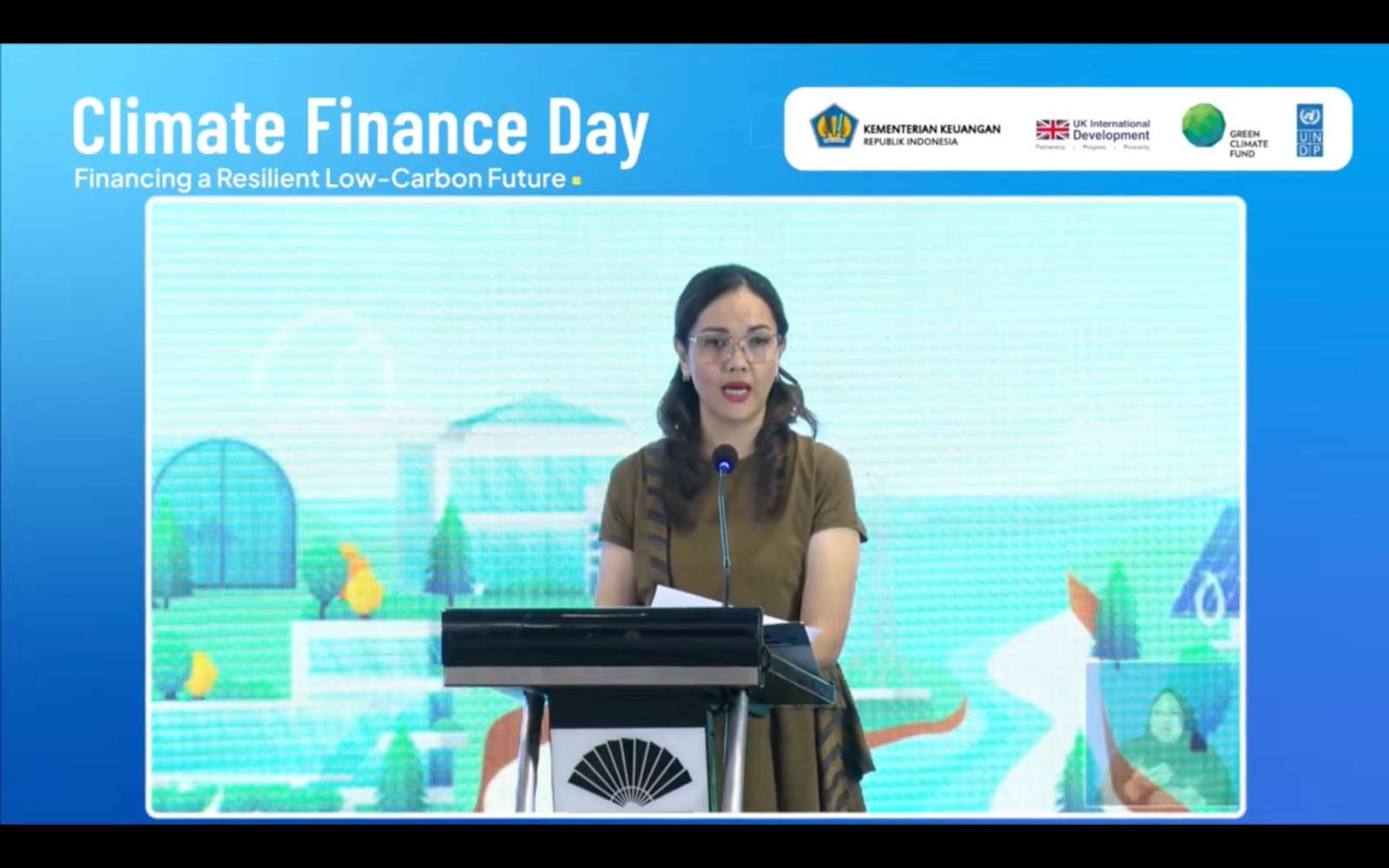
“The funding needs are very large, our estimate reaches Rp4,000 trillion to support climate action and Rp14,000 trillion for the entire SDGs,” Masyita said at Climate Finance Day, Tuesday, June 10, 2025.
Even so, Masyita said, climate action financing through the state budget has a limited contribution. Thus, financing from the private sector is very important for the success of SDG’s financing.
“Because usually long term or development projects, especially those related to climate change, are long-term in nature, and the return is quite small compared to the original cost of funds. So there must be concessional financing, cheap financing or the state budget to finance the difference,” he said.
Furthermore, the Ministry of Finance will also continue to encourage the development of various innovative financial instruments, such as green sukuk, which are based on climate budget tagging (CBT), gender responsive budgeting, and blended finance frameworks to open wider access to finance.
“We also need to remember that sustainability is not only about the environment, but also about social and governance. Therefore, inclusivity and gender equality remain key principles that we need to incorporate into our sustainable finance policy design,” he said. (*)
Editor: Yulian Saputra
Ministry of Finance: Rp14,000 Trillion Needed to Finance Sustainable Development Goals
Jakarta – The Ministry of Finance (Kemenkeu) said that Rp14,000 trillion is needed to finance all sustainable development goals (SDGs).
Director General of Financial Sector Stability and Development of the Ministry of Finance, Masyita Crystallin emphasized that the Ministry of Finance has a crucial role in managing fiscal policy as well as being the main facilitator for transformation towards a sustainable economy.
“The funding needs are very large, our estimate reaches Rp4,000 trillion to support climate action and Rp14,000 trillion for the entire SDGs,” Masyita said at Climate Finance Day, Tuesday, June 10, 2025.
Even so, Masyita said, climate action financing through the state budget has a limited contribution. Thus, financing from the private sector is very important for the success of SDG’s financing.
“Because usually long term or development projects, especially those related to climate change, are long-term in nature, and the return is quite small compared to the original cost of funds. So there must be concessional financing, cheap financing or the state budget to finance the difference,” he said.
Furthermore, the Ministry of Finance will also continue to encourage the development of various innovative financial instruments, such as green sukuk, which are based on climate budget tagging (CBT), gender responsive budgeting, and blended finance frameworks to open wider access to finance.
“We also need to remember that sustainability is not only about the environment, but also about social and governance. Therefore, inclusivity and gender equality remain key principles that we need to incorporate into our sustainable finance policy design,” he said. (*)
Editor: Yulian Saputra